
When Disaster Strikes: Understanding Loss of Use in Your California Renters Insurance
Imagine this: you’re enjoying a quiet evening in your apartment in, say, Santa Monica, or maybe a rental home tucked away in the foothills of Ventura County. Suddenly, something goes wrong. A pipe bursts upstairs, flooding your unit. Or worse, a wildfire, like the kind we’ve seen too often near Malibu or out in the Inland Empire, forces a mandatory evacuation. Your home is uninhabitable, perhaps even damaged. Where do you go? What do you eat? How do you keep life moving when your entire world has been turned upside down?
For many California renters, this is a terrifying thought. The Golden State already boasts some of the highest living costs in the country. Being forced out of your home, even temporarily, can feel like a financial death sentence. But here’s where your renters insurance policy, specifically something called “loss of use” coverage, steps in to offer a much-needed lifeline.
What Exactly Is “Loss of Use” Coverage?
Most folks understand that renters insurance protects their personal belongings – your furniture, clothes, electronics – if they’re stolen or damaged by a covered event like a fire, smoke, or certain types of water damage. That’s “personal property” coverage. What many people don’t realize is that renters insurance also typically includes something called “loss of use” coverage. Sometimes it’s called “additional living expenses” or ALE.
Think of it this way: your home is unlivable because of a covered peril. Maybe there was a kitchen fire in your building in the Valley, and smoke damage makes your place impossible to stay in for a few weeks. Perhaps a massive storm caused a tree to fall on your duplex in Sacramento, puncturing the roof. You can’t safely live there. This coverage helps pay for the extra costs you incur while your home is being repaired or rebuilt, up to your policy’s limits.
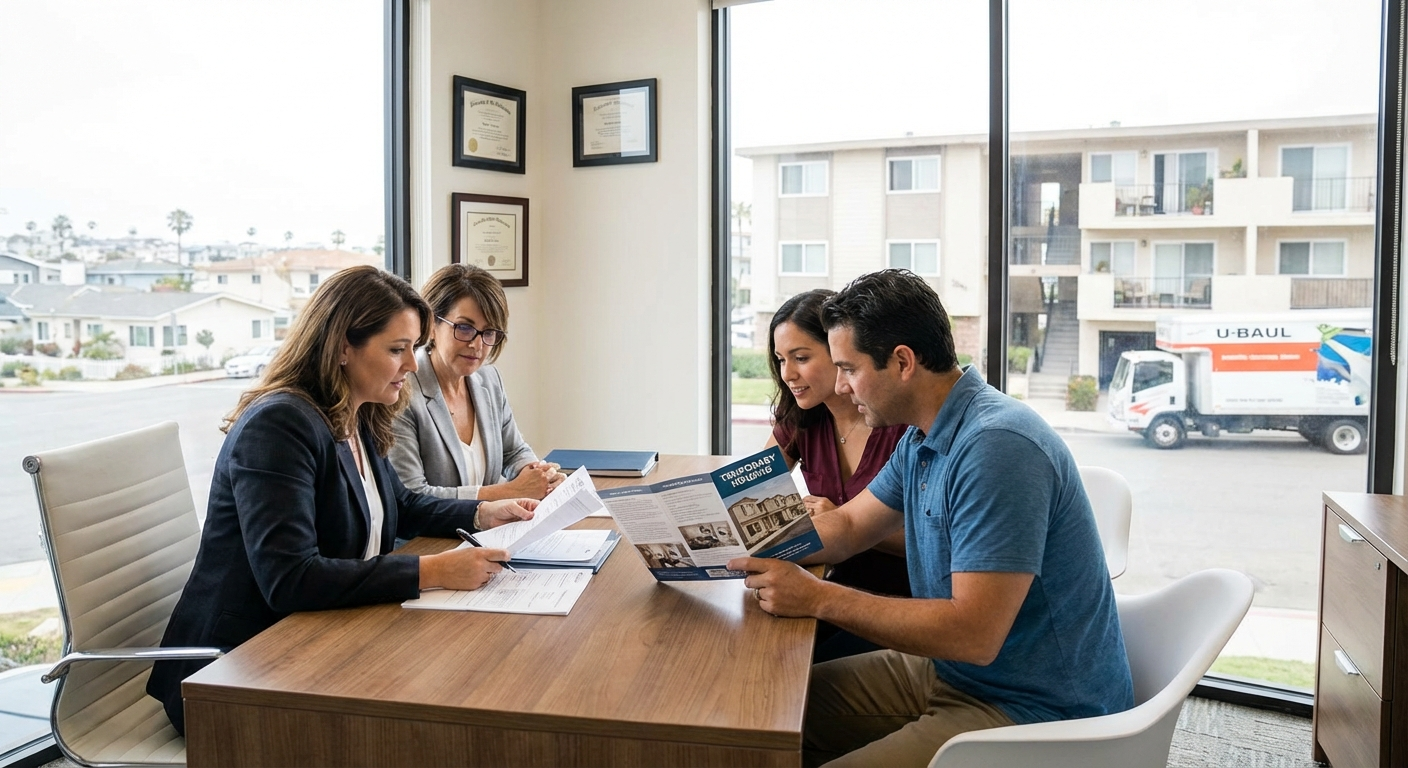
What Does Loss of Use Actually Pay For?
This isn’t about getting rich. It’s about maintaining your normal standard of living as much as possible, without dipping into your savings for unexpected expenses.
* **Temporary Housing:** This is usually the biggest one. If you need to stay in a hotel, motel, or even another rental property while your place is being fixed, your policy can cover those costs. It aims to put you in a similar situation to your previous home. You won’t be staying at the Ritz if you were living in a studio apartment, but you won’t be sleeping in your car either.
* **Meals:** Eating out suddenly becomes a necessity when you don’t have a kitchen. Loss of use can help with the difference between what you’d normally spend on groceries at home and what you’re now spending on restaurant meals or takeout.
* **Transportation:** Maybe your temporary lodging is further from work or school. The extra gas or public transport costs can be covered.
* **Laundry:** If you don’t have access to a washer and dryer, those trips to the laundromat add up. Your policy might help with that.
* **Storage:** If your belongings need to be moved out of your damaged unit while repairs are happening, the cost of a storage unit can be included.
* **Pet Boarding:** For many Californians, pets are family. If your furry friend can’t stay with you in temporary housing, pet boarding fees can be covered.
Here’s a key point: it only covers *additional* expenses. So, if you normally spend $500 a month on groceries, and now you’re spending $800 eating out, the policy would cover the $300 difference. It’s not a blank check for lavish spending; it’s designed to make you whole.
Real-Life California Scenarios Where It Kicks In
California is a state of extremes, and unfortunately, that often means natural disasters.
Think back to the widespread evacuations during the 2020 fires in Sonoma County or the 2025 LA fires (if predictions hold true). Thousands of renters were forced to flee with little notice. Their homes might have survived, but the area could be under an evacuation order for days or weeks, making it impossible to return. Loss of use would help cover their hotel stays and extra food costs during that stressful time.
Or consider an apartment building in downtown San Diego. A fire breaks out on the third floor, making the entire building unsafe due to smoke and water damage. Even if your specific unit on the sixth floor wasn’t burned, you can’t live there. You’re displaced. This is exactly what loss of use is for.
What about something less dramatic? A burst pipe in the apartment above you in a San Francisco Victorian. Water pours down, soaking your ceiling and furniture. You can’t stay there while contractors rip out walls and dry everything. You’re out for a week or two. That hotel bill, those extra meals? That’s what loss of use is designed to handle.
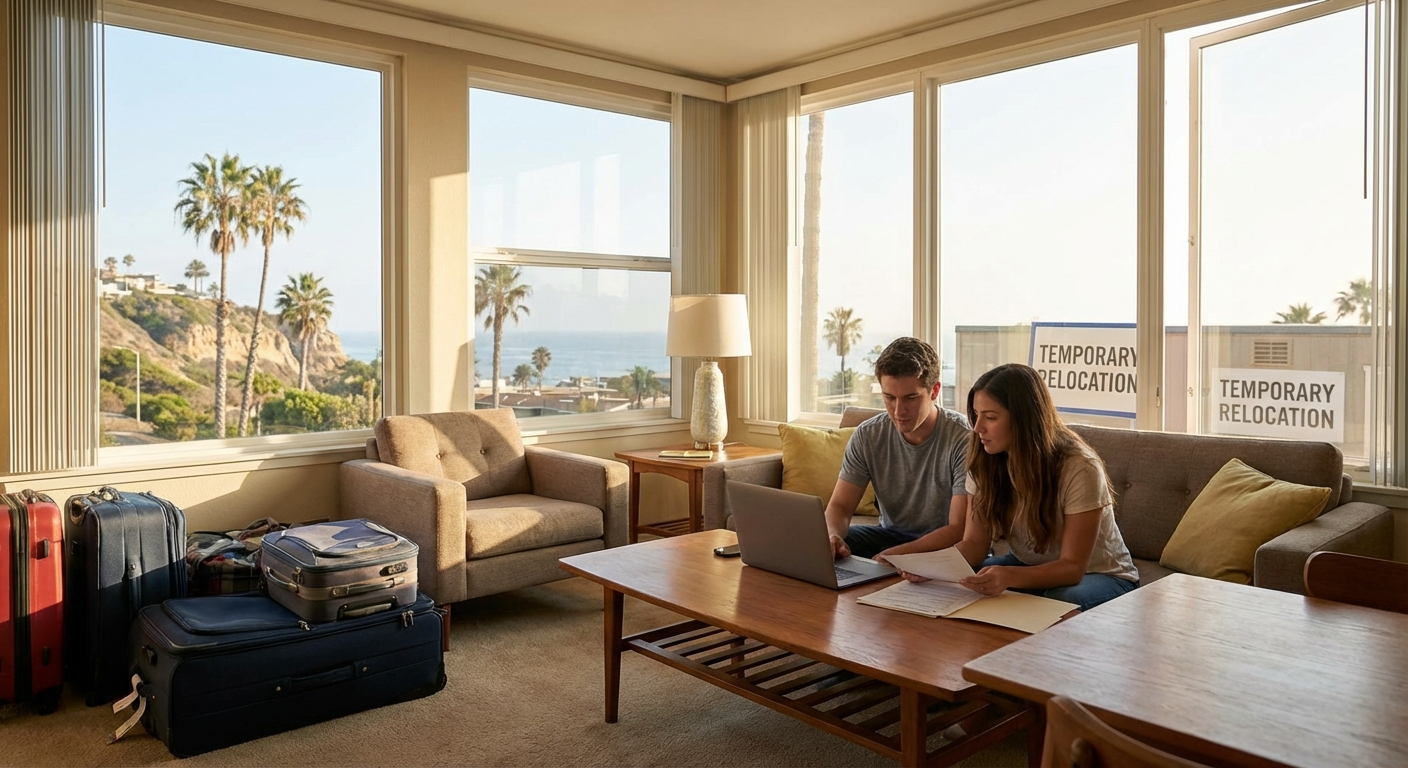
How Much Loss of Use Coverage Do You Need?
This is where it gets a little tricky. Most standard renters insurance policies will offer loss of use coverage as a percentage of your personal property coverage – often 20% or 30%. So, if you have $30,000 in personal property coverage, you might have $6,000 or $9,000 for loss of use.
But wait — is that enough in California? The state’s housing market means even a few weeks in a moderate hotel can eat through that quickly. A decent hotel in Orange County or Silicon Valley could run you $200-$300 a night. Add in food and other expenses, and you could easily spend $5,000 in just two weeks.
Many policies also have a time limit – say, 12 or 24 months. What if the damage is extensive, and repairs take longer? You need to think about a worst-case scenario. If a major earthquake (remember, earthquake damage isn’t typically covered by standard renters insurance, but if you *do* have earthquake insurance, the loss of use portion would kick in) or a widespread fire makes your area uninhabitable for an extended period, you’d want enough coverage to last.
Honestly, it’s often a good idea to consider increasing your loss of use limits beyond the standard percentage, especially if you live in a high-cost-of-living area. You might find you can get a lot more coverage for a surprisingly small increase in your annual premium. It’s a small price to pay for peace of mind.
Working with Your Insurer and Agent
When you experience a loss that triggers your loss of use coverage, the first step is to contact your insurance company – or better yet, your insurance agent. Someone like Karl Susman at Cheap Renters Insurance California, CA License #0B75129, can guide you through the claims process. They’re your advocate.
You’ll need to keep careful records of all your additional expenses: hotel receipts, food bills, transportation costs. The insurance company will typically reimburse you for these expenses, so don’t throw anything away. It can feel overwhelming when you’re displaced, but keeping good records makes a big difference in getting your claim paid smoothly.
Some people worry about the deductible. For loss of use, you typically don’t pay a separate deductible. Your main renters insurance deductible usually applies to the personal property damage. The loss of use portion is generally paid out as an addition to help you live while your primary claim is being processed and repairs are underway.
Finding the Right Policy for Your California Life
Choosing renters insurance isn’t just about finding the cheapest option. It’s about finding the *right* protection for your specific situation in California. Are you in a wildfire-prone area? Do you live in an older building that might be more susceptible to pipe bursts? Do you have pets? These are all factors that should influence your coverage choices.
A lot of people think renters insurance is expensive. The real answer is more complicated. For most Californians, it’s surprisingly affordable – often less than a cup of coffee a day. But the value it provides when something goes wrong? That’s priceless.
If you’re looking to understand your options or get a quote tailored to your California lifestyle, it’s easy to start. Get a free quote today and see how affordable protecting your peace of mind can be: Get a Renters Insurance Quote.
Don’t wait until disaster strikes to realize you’re unprepared. Protecting your personal property is one thing, but making sure you have a roof over your head and food on the table when your home is unlivable? That’s a whole other level of security. Karl Susman and the team at Cheap Renters Insurance California, CA License #0B75129, understand the unique challenges of living in California and can help you find a policy that truly protects you.
When you think about the potential costs of being displaced in California – even for a short time – the small premium for robust loss of use coverage starts to look like a very smart investment.
Want to explore your renters insurance options and ensure you have adequate loss of use coverage? Visit us for a personalized quote: Get Your California Renters Insurance Quote Now.
Frequently Asked Questions About Loss of Use Coverage
Does renters insurance always include loss of use?
Most standard renters insurance policies do include loss of use coverage, often as “Additional Living Expenses” or ALE. However, the specific limits and conditions can vary between insurers like State Farm, AAA, or Farmers, so it’s always smart to check your policy documents or ask your agent.
What if I have roommates? Does loss of use cover all of us?
This depends on how your policy is set up. If you all share one policy, the coverage would typically apply to all named insureds. If you each have separate renters insurance policies, then each policy’s loss of use coverage would apply individually to that policyholder.
Is there a deductible for loss of use coverage?
Generally, no. The deductible you choose for your renters insurance policy usually applies to the personal property damage portion of a claim. Loss of use expenses are typically reimbursed separately, above and beyond that deductible, to help you cover immediate living costs.
How long will loss of use coverage pay for expenses?
Policies usually have both a dollar limit and a time limit for loss of use coverage. For example, your policy might have a limit of $10,000 or 12 months, whichever comes first. It’s important to know these limits, especially in California where repairs can sometimes take longer due to contractor availability or permitting issues.
What if my landlord’s insurance covers damage to the building?
Your landlord’s insurance policy covers the structure itself – the building, walls, roof. It does NOT cover your personal belongings or your additional living expenses if you’re displaced. That’s why renters insurance, with its personal property and loss of use coverage, is so essential for tenants.
This article is for informational purposes only and does not constitute financial advice.