
Why Renters Insurance Isn’t Just for “Other People”
You’ve found the perfect place, whether it’s a cozy apartment in Santa Monica or a spacious rental home out in the Inland Empire. You’ve signed the lease, maybe even started unpacking. But here’s the thing: most folks stop there, thinking they’re all set. Not always. Many renters in California, and everywhere else, miss a pretty big piece of the puzzle: renters insurance.
Perhaps you figure your landlord’s insurance has you covered. Nope. Their policy protects the building itself – the walls, the roof, the appliances they own. Your stuff? That’s on you. Your liability if someone gets hurt in your place? Also on you. Without renters insurance, you’re looking at a serious financial hit if something goes wrong.
Personal Property: More Than Just the Big Stuff
Think about everything you own. It’s not just your couch and your TV. It’s your clothes, your laptop, the blender you got for your birthday, your grandmother’s antique lamp, all those kitchen gadgets. Imagine a fire ripping through your apartment in the Valley, or a burst pipe from the unit upstairs flooding your rental house in Ventura County. Suddenly, everything you’ve worked hard for is damaged or gone.
Renters insurance steps in here. It helps pay to replace your personal belongings after a covered event like fire, theft, or certain types of water damage. And here’s where it gets interesting. You can often choose between “actual cash value” – which pays you the depreciated value of your items – or “replacement cost” coverage. Replacement cost is usually the smarter move. It means the insurance company pays you what it costs to buy brand new versions of your stuff, not what your five-year-old laptop is “worth” today. Big difference.

That Awkward “Oops” Moment: Liability Protection
Accidents happen. Maybe your dog, Fido, nips a guest a little too hard. Perhaps your cooking gets away from you, and a small kitchen fire spreads, damaging your neighbor’s unit. Or, a friend slips on a wet spot near your shower and breaks an arm.
These aren’t just inconvenient moments; they can turn into expensive lawsuits. Your renters insurance policy usually includes liability coverage. This helps pay for legal fees, medical bills, and even settlement costs if you’re found responsible for someone else’s injury or property damage. It’s a huge safety net, especially in a state like California where legal costs can skyrocket.
When Your Home Becomes Unlivable: Additional Living Expenses
Let’s say a major event, like a building-wide fire or significant water damage, makes your rental uninhabitable for a while. Where do you go? A hotel? A temporary rental? Who pays for that?
Most renters insurance policies include Additional Living Expenses (ALE) coverage. This helps cover the cost of temporary housing, food, and other necessary expenses while your rental is being repaired or you find a new place. Think about the wildfires that sweep through parts of California every year. If your rental becomes unlivable due to a covered fire, ALE can be a lifesaver, keeping you from draining your savings just to have a roof over your head.
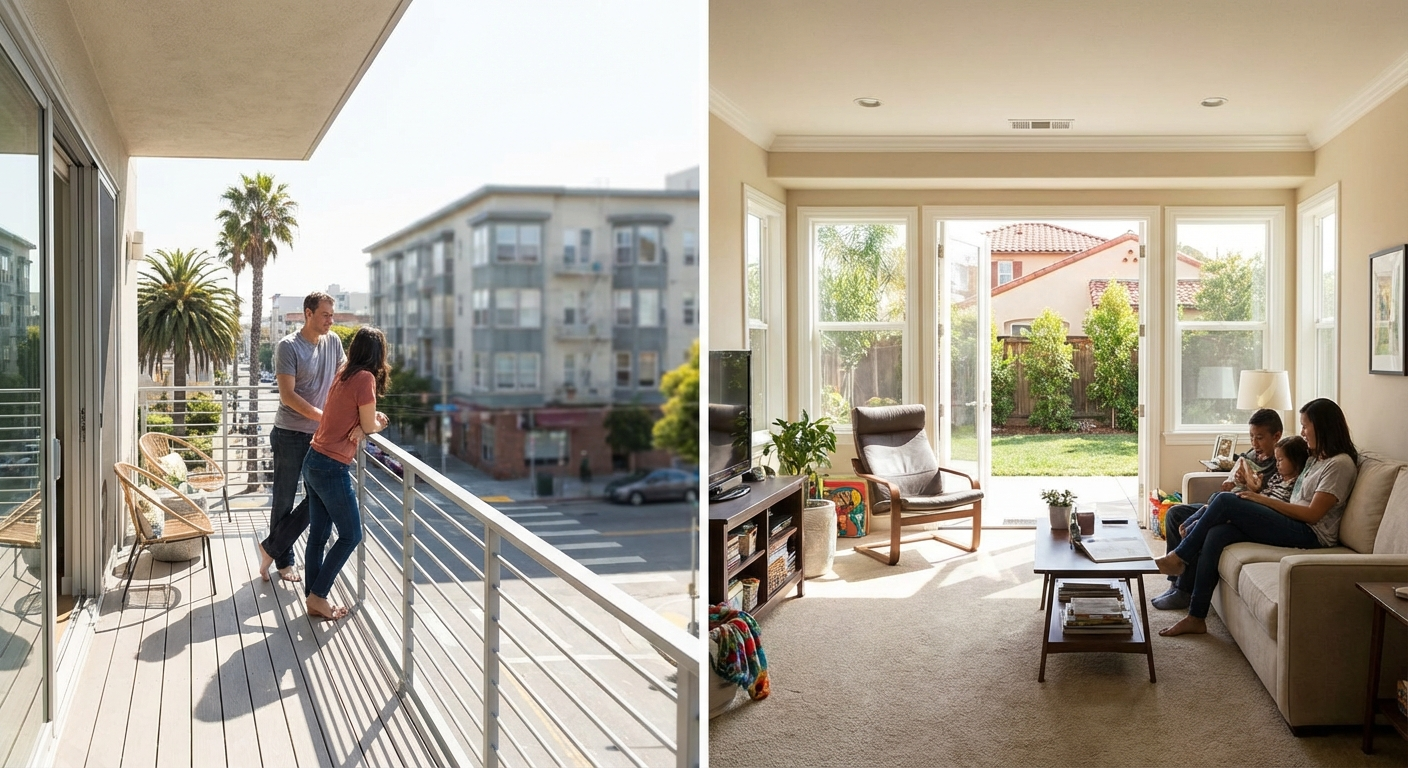
Apartment vs. House: Is There Really a Difference for Renters Insurance?
The short answer is yes. The real answer is more complicated.
At its core, renters insurance protects *your* personal property and *your* liability, regardless of whether you rent an apartment or a house. The fundamental coverages usually don’t change much. But wait — the *risks* associated with each type of rental can differ, and those differences often influence what you pay and what specific considerations you might have.
Location, Location, Location (and Risk)
Think about an apartment building in downtown San Francisco versus a standalone rental house in a quiet suburban neighborhood of Sacramento.
Apartment living often means shared walls, common areas, and more neighbors packed into a smaller footprint. This can lead to certain risks: a fire starting in another unit could spread to yours, or a burst pipe upstairs could flood your place. Theft might be a concern in high-density areas, but apartment buildings often have security features like controlled access or shared surveillance.
A rental house, on the other hand, gives you more space and usually more privacy. But that also means you might be solely responsible for maintaining a yard, which could introduce liability if someone trips over a sprinkler head or falls on your walkway. Houses might also be seen as easier targets for theft in some areas, especially if they’re less visible than a bustling apartment complex.
The actual geographical location within California plays a huge role too. A rental house or apartment in a wildfire-prone area, like parts of Malibu or the foothills of the Sierra Nevada, will have different risk profiles than one in a low-risk urban center. Insurers like State Farm, AAA, or Farmers constantly adjust their models based on these factors.
Property Value and Density: How It Affects Your Premium
Generally, people living in larger rental homes might accumulate more personal property – more furniture, more electronics, more outdoor gear. If you need a higher personal property coverage limit to protect all your belongings, your premium will naturally be higher.
Apartment complexes, with their higher density, can sometimes have lower individual premiums because the risk is spread across many units. However, if an entire complex has a history of claims (say, multiple instances of burst pipes or common area fires), that could push premiums up for everyone. For a house, the risk is more isolated to that single property.
The Dog in the Yard (or on the Balcony): Pet Liability
This is a big one for both apartments and houses, but it can play out differently. Many rental houses come with yards, making them attractive to pet owners. If your furry friend has a history of biting or belongs to a breed often considered “high-risk” by insurers (like certain dog breeds), your liability coverage might need to be higher, or you might face exclusions.
Some apartment complexes have strict pet policies, even banning certain breeds, which can mitigate some of these risks for the building as a whole. But regardless of where you live, if your pet causes injury or damage, your renters insurance liability coverage is your first line of defense.
What Drives Your California Renters Insurance Cost?
It’s not just apartment versus house. Several factors truly shape what you pay for renters insurance here in the Golden State.
Your Stuff: How Much Is It Worth?
This is probably the biggest factor. The more personal property you own, and the more valuable it is, the more coverage you’ll need. Think about it: replacing a modest collection of belongings costs less than replacing a high-end electronics setup, designer clothes, and valuable artwork. Taking a detailed inventory of your possessions is a smart first step.
Your Deductible: The Trade-off
Your deductible is the amount you pay out of pocket before your insurance coverage kicks in. If you choose a higher deductible – say, $1,000 instead of $250 – your monthly or annual premium will usually be lower. It’s a balancing act: save money now, but be prepared to pay more if you make a claim.
Your Location: The California Context
California is a diverse state, and your specific address matters a lot. Are you renting in a high-crime area of Los Angeles? Your premium might reflect that increased risk of theft. Is your rental in a wildfire-prone zone, maybe up in the hills of Ventura County or near the forests that line parts of the Valley? Insurers like Farmers and State Farm are acutely aware of these risks, especially after recent years of devastating fires. While renters insurance doesn’t cover *wildfire damage to the structure* (that’s the landlord’s problem), the *risk* of fire can still affect the rates for your personal property coverage. You’ve probably heard about the homeowner insurance market struggles in California, with the FAIR Plan changes and insurers pulling back – that market stress can sometimes create ripple effects in how insurers view risk, even for renters.
Your Claims History & Credit Score
Insurers look at your past. If you’ve filed multiple claims in recent years, you might see higher premiums. Also, your credit-based insurance score (which isn’t your FICO score, but uses similar data) can influence your rate. Generally, a better score often means a lower premium because insurers see you as a lower risk. This is all part of how Prop 103, which regulates insurance rates in California, allows insurers to operate within certain parameters.
Don’t Guess, Get a Quote.
The best way to understand how these factors apply to *your* situation, whether you’re renting a studio apartment in San Diego or a sprawling house in Sacramento, is to get a personalized quote. Renters insurance in California is often surprisingly affordable, sometimes costing less than your daily coffee habit.
You’ll get a clear picture of what coverage you need and what it will cost to protect your peace of mind. Karl Susman and the team at Cheap Renters Insurance California, CA License #0B75129, are experts in navigating the California insurance market. They can help you find the right policy for your unique rental situation.
Get your personalized quote today: https://cheaprentersinsurancecalifornia.com/quote/
Frequently Asked Questions About Renters Insurance
Q: Do I really need renters insurance if my landlord has insurance?
Absolutely. Your landlord’s insurance covers the building itself and their liability, not your personal belongings or your liability if someone gets hurt in your rental. Think of it this way: their policy covers the house, your policy covers your home *inside* the house.
Q: What if I have roommates?
This depends on your policy and your insurer. Sometimes, roommates can be added to a single policy, but often, it’s better for each individual to have their own renters insurance. This ensures everyone’s personal property is covered adequately and clarifies individual liability. It avoids potential headaches if one roommate moves out or has a claim history.
Q: Does renters insurance cover earthquakes or floods in California?
Generally, no. Standard renters insurance policies typically exclude damage from earthquakes and floods. Given California’s seismic activity and occasional flood risks, you’d need to purchase separate earthquake or flood insurance policies, often as endorsements or standalone policies, to cover those specific perils.
Q: How much coverage do I actually need?
The amount of coverage you need depends on the value of your personal belongings and your comfort level with liability risk. A good starting point is to create an inventory of all your possessions and estimate their replacement cost. For liability, many experts recommend at least $100,000, but higher amounts offer more protection, especially in litigious areas.
Q: Can I save money on renters insurance?
Yes, often! Many insurers offer discounts for things like having smoke detectors, fire extinguishers, or security systems. You might also get a discount for bundling renters insurance with another policy, like auto insurance, from the same company. Choosing a higher deductible is another way to lower your premium. Always ask about available discounts when getting a quote.
Ready to protect your California rental? Start here: https://cheaprentersinsurancecalifornia.com/quote/
This article is for informational purposes only and does not constitute financial advice.