
The Freshman Scramble: More Than Just Textbooks and Dorm Decor
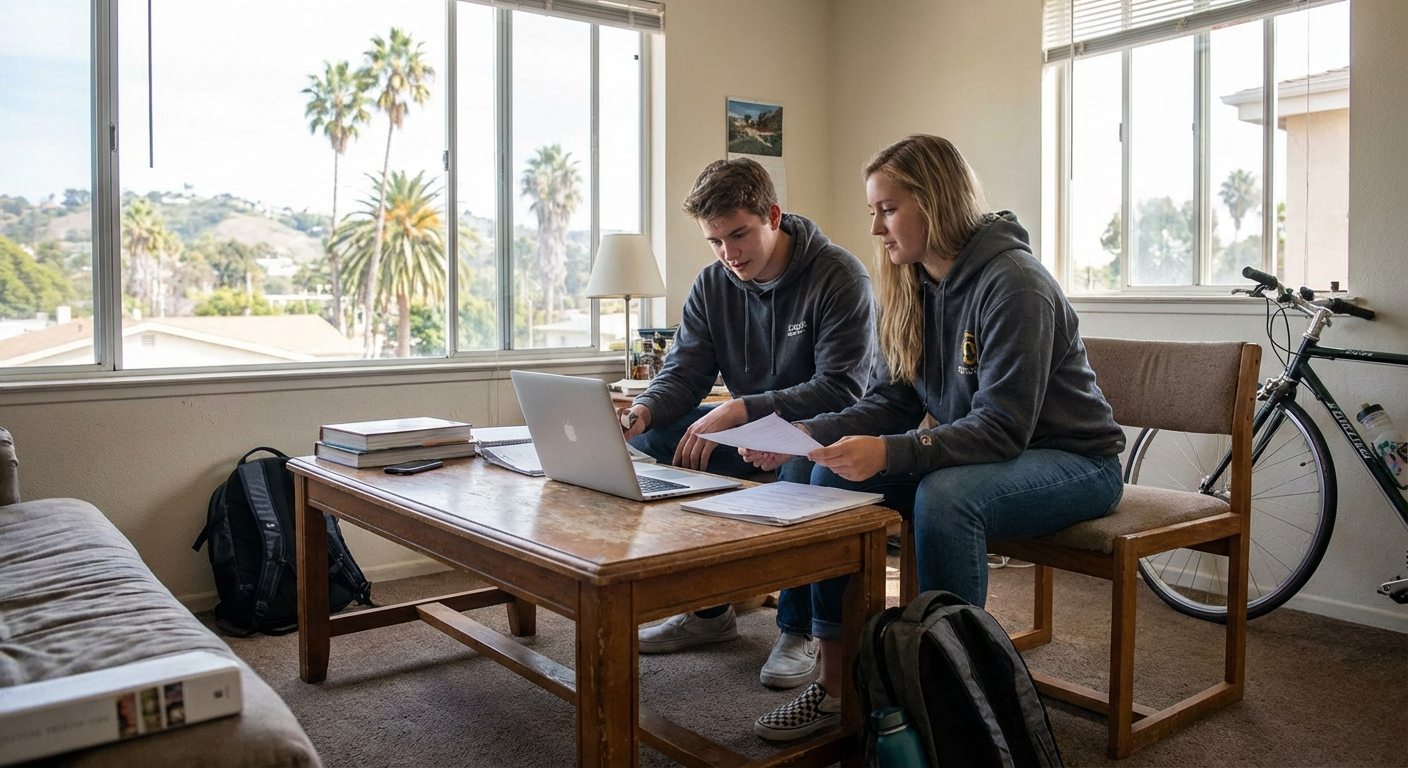
Maya zipped up her last duffel bag, a mix of excitement and nerves bubbling up. Her dorm room at UCLA was officially packed with everything she owned: a shiny new MacBook, her trusty road bike, a stack of textbooks she hadn’t even opened yet, and a surprising amount of concert posters. This was it. Her big move from her parents’ place in Orange County to Westwood, a whole new chapter. She’d thought of everything, or so she believed. Clothes, toiletries, even a mini-fridge. But one thing hadn’t crossed her mind: what if all this stuff vanished? Or worse, got wrecked?
It’s a common blind spot for students heading off to college in California. You’re focused on classes, making friends, maybe figuring out how to do laundry without turning everything pink. Protecting your personal belongings often falls way down the priority list. Many assume their parents’ insurance has them covered. Some just figure nothing bad will happen. But life, especially college life, has a funny way of throwing curveballs.
“My Parents’ Policy Covers Me, Right?” Not Always.
Here’s where it gets interesting. For years, many parents just assumed their homeowner’s insurance policy would extend to their college-bound kids. And sometimes, they’d be right! But that coverage usually comes with some pretty big strings attached.
Often, a parent’s homeowner’s policy will only offer limited coverage for a student living *on-campus* in a dorm. Think of it as a small safety net. But the minute Maya moved into an off-campus apartment with roommates near UCLA, that safety net likely disappeared or thinned out dramatically. Most homeowner’s policies don’t stretch that far.
Even if there’s some limited coverage, you’re still dealing with your parents’ deductible. Say Maya’s laptop gets stolen from her off-campus apartment. If her parents’ deductible is $1,000 or $2,500, and her laptop cost $1,500, they might not even hit the deductible. And even if they do, that claim goes on *their* record, potentially raising *their* premiums down the line. That’s a conversation no college student wants to have with their folks.

What Renters Insurance Actually Does for a College Student
So, if your parents’ policy isn’t the magic bullet, what is? Renters insurance. It’s not just for grown-ups with fancy furniture. It’s built for anyone renting a space, and that absolutely includes California college students. It protects more than just your stuff.
Protecting Your Gear: Personal Property Coverage
Think about everything you own that makes college life possible. Your laptop, phone, tablet, headphones, gaming console, that expensive bike you use to get to class, textbooks, instruments, clothes. The total value of all that probably adds up faster than you realize. Maybe it’s five thousand dollars, maybe it’s fifteen. A fire, a burst pipe, or a break-in could wipe all of that out in an instant.
Renters insurance steps in to cover these losses. It pays to replace your things if they’re stolen, damaged by fire, smoke, certain water damage, or other specified perils. And here’s a big one for students: make sure your policy offers *replacement cost* coverage, not just *actual cash value*. Actual cash value means they pay you what your old laptop was worth *at the time it was stolen*, factoring in depreciation. Replacement cost means they pay you enough to buy a brand new one. Big difference, especially when you’re on a student budget.
The “Oops” Factor: Liability Coverage
This is the part many people gloss over, but it might be the most important. Accidents happen. You’re having a study group, someone trips over a rug and breaks their wrist. You accidentally leave a candle burning and it causes some minor smoke damage to the apartment building. Or maybe, heaven forbid, a small kitchen fire gets out of hand.
Liability coverage is your shield. If someone gets hurt in your rented space, or if you accidentally damage the property of others, this coverage helps pay for their medical bills, property repairs, and even your legal defense costs if you get sued. Imagine the stress of an accidental fire in your apartment building in, say, Isla Vista, and suddenly you’re on the hook for thousands of dollars in repairs to the landlord or even neighboring units. Renters insurance can help cover that enormous financial burden. It’s not just about your stuff; it’s about protecting your future.
When Disaster Strikes: Additional Living Expenses (ALE)
Picture this: You’re studying for finals in your apartment near USC. Suddenly, a pipe bursts in the unit above, flooding your place and making it unlivable for a week. Or maybe there’s a small fire in your kitchen that forces you out for a few days. Where do you go?
Additional Living Expenses, or ALE, is a fantastic part of renters insurance. It covers the extra costs you incur if you can’t live in your apartment because of a covered loss. That means hotel stays, temporary rental costs, even extra food expenses if your kitchen is out of commission. It’s peace of mind during an already stressful time. You won’t have to couch-surf or blow your limited funds on an unexpected hotel bill.
Cost vs. Benefit: “Can I Even Afford This?”
Honestly, this is where most college students get it wrong. They assume insurance is expensive, like car insurance or health insurance. But renters insurance? It’s often surprisingly affordable. We’re usually talking about a cost that’s less than your monthly streaming subscriptions or a couple of fancy coffee drinks.
Think about it: for a minimal monthly payment, you’re protecting thousands of dollars worth of belongings and potentially hundreds of thousands in liability. The cost of *not* having it, if something goes wrong, could be catastrophic for a student – forcing you to drop out, go into debt, or rely heavily on your parents. That’s a huge financial risk to take for what amounts to pocket change.
Want to see how little it might cost to protect your world? It takes just a few minutes to get a personalized quote.
Click here to get a renters insurance quote today!
California-Specifics for Student Renters
Living in California, especially for college, means dealing with unique risks. From Chico to San Diego, many university towns are in areas prone to wildfires. A standard renters policy will cover damage from fire, which is a huge relief if you’re in an evacuation zone near, say, the foothills of Ventura County or the Santa Cruz Mountains.
But wait — what about earthquakes? Unfortunately, standard renters insurance doesn’t cover earthquake damage. California is earthquake country, and that’s a real concern. You *can* add earthquake coverage to your policy, but it usually comes with a higher deductible and an increased premium. For a student, this is a personal choice. Do you live in an older building? Are you in a particularly active seismic zone? It’s something to weigh carefully.
The insurance landscape in California has seen some changes recently. Insurers like State Farm, Farmers, and AAA have adjusted their offerings in certain areas, sometimes making it harder to find specific types of coverage or increasing rates. However, renters insurance remains widely available and relatively affordable, partly due to consumer protections like Proposition 103, which helps regulate rates. Still, it’s wise to shop around.
Finding the Right Fit: What to Look For
So, you’re convinced. You need renters insurance. But what exactly should you look for when you’re shopping for a policy?
First, consider your deductible. This is the amount you pay out-of-pocket before your insurance kicks in. A higher deductible usually means a lower monthly premium, but make sure it’s an amount you could realistically afford if you had to make a claim. For a student, a lower deductible might make more sense.
Next, think about your coverage limits. How much is all your stuff truly worth? Don’t underestimate it. Add up the cost of your laptop, phone, TV, bike, clothes, books, and even that nice guitar. You want enough personal property coverage to replace everything if it all disappeared.
Which brings up something most people miss: special items. Do you have expensive jewelry, a high-end camera, or a valuable musical instrument? These might have sub-limits on a standard policy. You might need to add a “rider” or “endorsement” to your policy to ensure these specific items are fully covered. It’s a small extra cost for big peace of mind.
What about roommates? This can get tricky. Generally, it’s best for each roommate to have their own renters insurance policy. Why? Because your policy covers *your* stuff and *your* liability. You don’t want to be responsible for your roommate’s actions or rely on their policy to cover your belongings. It’s cleaner and safer to have separate coverage.
Navigating all these options can feel a bit much when you’re already juggling classes and a social life. That’s where an expert comes in handy. Someone like Karl Susman at Cheap Renters Insurance California (CA License #0B75129) knows the California market inside and out and can help you tailor a policy that fits your specific needs as a student, without breaking the bank.
Don’t wait until something happens to wish you’d acted sooner. Protect your future, your peace of mind, and your stuff.
Get your personalized renters insurance quote now and secure your college life!
FAQ: Your Quick Questions Answered
Is renters insurance mandatory for college students?
Not always. Sometimes landlords, especially those renting apartments off-campus, will require you to have it as part of your lease agreement. Even if it’s not required, it’s a smart idea for the protection it offers.
What if I have roommates? Can we share a policy?
While some policies might allow roommates to be listed, it’s generally better for each roommate to get their own individual renters insurance policy. This ensures your personal belongings are covered separately and your liability isn’t tied directly to your roommate’s actions.
Does renters insurance cover my car?
No, renters insurance is for your personal property *inside* your rented space and your personal liability. Your car needs its own separate auto insurance policy.
What if I move from a dorm to an apartment, or to a new apartment next year?
Your renters insurance policy is usually tied to a specific address. If you move, you’ll need to update your policy with your new address. It’s often a simple change with your insurance provider, and your rates might adjust based on the new location.
Is earthquake insurance included in a standard renters policy?
No. In California, earthquake damage is not covered by a standard renters insurance policy. You can typically add earthquake coverage as an endorsement or rider to your policy, but it will come with an additional cost and often a higher deductible.
Maya eventually did get renters insurance. It was easy, and frankly, a lot cheaper than she expected. She figured it was just another part of adulting, like budgeting for groceries or remembering to call her mom. But really, it was more than that. It was buying peace of mind, allowing her to focus on what truly mattered: her studies, her friends, and making the most of her California college experience, knowing her world was protected.
This article is for informational purposes only and does not constitute financial advice.
Karl Susman
Cheap Renters Insurance California
CA License #0B75129
Phone: (877) 411-5200